

Strong at Every Age: How Women Can Help Combat Muscle Loss
NEW YORK, June 23, 2026 (GLOBE NEWSWIRE) -- (Feature Impact) Aging is inevitable, but losing muscle and mobility doesn’t have to be. For many women, maintaining strength, independence, energy and mobility are top priorities as they get older, particularly as they deal with the mental and physical responsibilities that come with working, caregiving, keeping up with friends, hobbies and enjoying an active lifestyle.
In fact, 58% of women in the United States are actively focused on staying healthy as they age, according to a recent survey commissioned by Viactiv, a line of award-winning supplements for women known for their unique formats and flavors. However, 73% of respondents weren’t aware of sarcopenia, or age-related muscle loss. According to the “International Journal of Women’s Health,” age-related muscle loss often begins between ages 30-35, with women losing 3-8% of their muscle mass per decade and increasing to 5-10% loss per decade after age 60.
Hormonal changes, decreased activity levels, stress, poor sleep and inadequate nutrition can all contribute to the decline in muscle, which can also negatively impact balance, bone health, metabolism, posture and everyday mobility.
Yet, despite 70% of women reporting some level of concern about muscle loss, 54% are unsure how to protect their muscle health.
“Women want to stay strong, active and independent as they age, but many are getting mixed messages about what actually supports long-term muscle health,” said Dr. Tania Elliott, a dual board-certified physician in internal medicine. “A lot of women are already making healthy choices like walking and staying active, which is a great start. However, maintaining muscle health really requires a more complete approach, and one that starts earlier than most women think, which is in your 30s.”
Prioritize Strength Training
Many women report barriers such as lack of time (15%), feeling overwhelmed (23%) or simply not enjoying exercise (23%). The key is finding realistic, sustainable habits. While walking and cardio exercise aid in heart health, which 58% of survey respondents report already engaging in, strength training is one of the most effective ways to preserve and build muscle as you age. Still, just 34% of women report doing strength or resistance training.
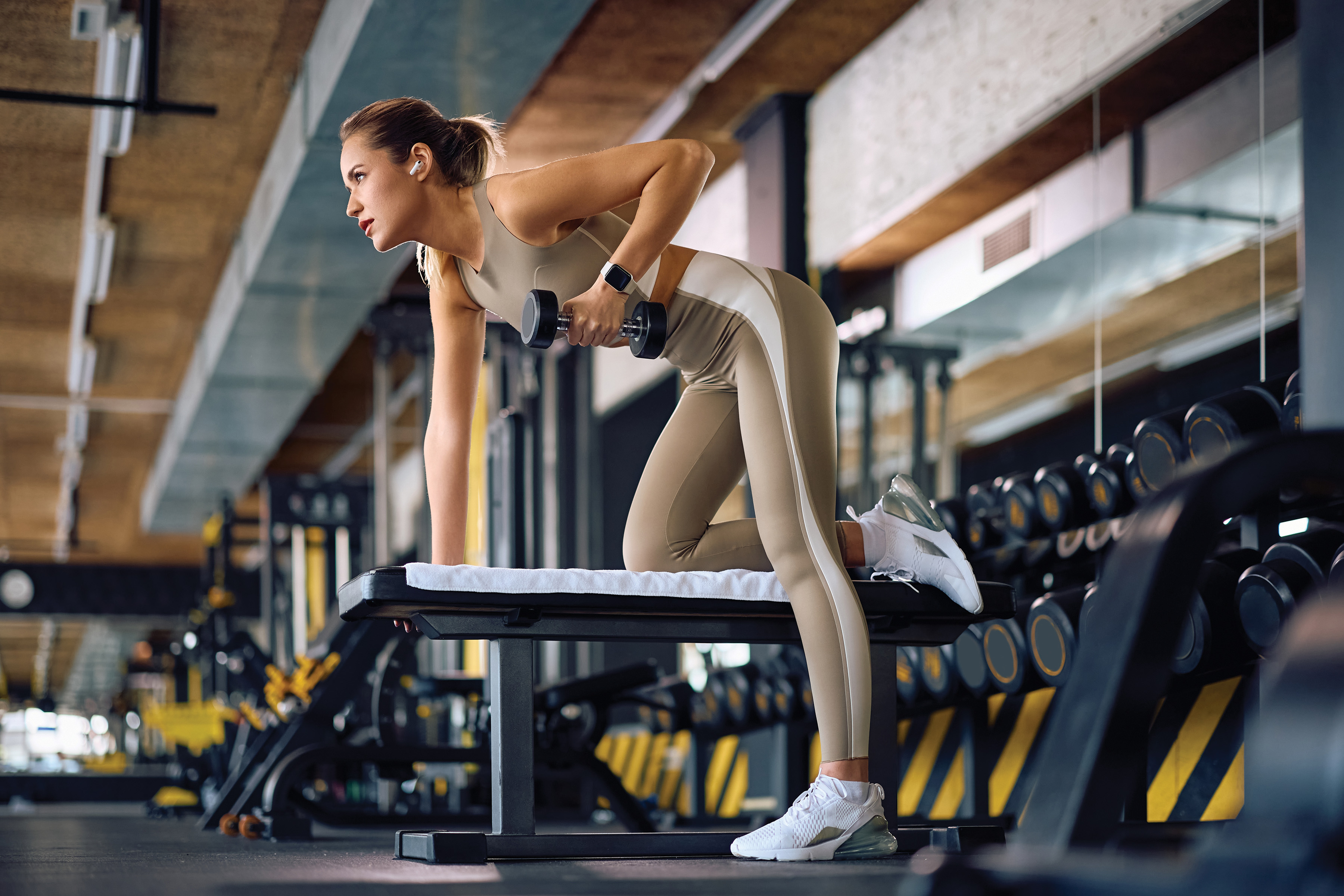
You don’t need an intense fitness regimen to support healthy aging. Aiming for at least two strength-focused workouts a week – lifting weights, using resistance bands, practicing weight-bearing yoga or doing bodyweight exercises like squats and pushups – that target major muscle groups can help maintain muscle health. The goal is to fatigue your muscles during sets so they build.
Fuel Muscles with Proper Nutrition
Exercise is only part of the equation. Muscles also need proper nutrition to recover and stay strong. Protein plays a critical role in maintaining muscle mass, especially as women age. Incorporating high-quality protein throughout the day, such as eggs, Greek yogurt, fish, lean meats, beans, lentils, nuts and seeds, may help support muscle repair and overall strength.
Support Healthy Aging with Supplements
In addition to a balanced diet and exercise, some women may consider supplements that support healthy aging and energy production, including CoQ10, which is a naturally occurring antioxidant that helps cells produce energy. According to research published in “The Journal of Nutrition, Health and Aging,” because muscles require significant energy to function, CoQ10 shows potential for managing sarcopenia by improving mitochondrial function and reducing oxidative stress.
An option like Viactiv CoQ10 Cardio Complete, available in a tasty fruit-flavored chew, can help support heart health, muscles, nerve function and daily energy. Enhanced with vitamins D3 and K2, it provides daily essential nutrition for women without the need to swallow a large pill.
Practice Healthy Habits
Muscle health is influenced by more than workouts. Sleep, stress management and daily movement all play important roles. Adopting some simple habits, including prioritizing quality sleep, stretching regularly, staying properly hydrated, reducing sedentary time throughout the day and practicing stress-management techniques, like yoga, meditation or deep breathing, can help aid in healthy aging, including maintaining muscle.
The earlier women begin prioritizing muscle health, the better positioned they may be to maintain strength and mobility as they age. Visit Viactiv.com for more information and resources to help combat muscle loss.
Photo courtesy of Shutterstock
About Feature Impact
Feature Impact is 4media group’s earned-first content solution for audience-ready storytelling at scale. Formerly Family Features, the editorial service delivers measurable earned media results and authentic consumer engagement through high-quality, topical and seasonally relevant multimedia content. Publicly-facing content is available at culinary.net and eLivingToday.com, with additional ready-to-publish resources for editors and journalists at editors.featureimpact.com. Learn more at featureimpact.com.
A photo accompanying this announcement is available at https://www.globenewswire.com/NewsRoom/AttachmentNg/9c63efe6-9b34-49c4-b4d9-a430da9ba0f8

Michael French
michael.french@featureimpact.com
https://editors.featureimpact.com/
Strong at Every Age: How Women Can Help Combat Muscle Loss

Strong at Every Age: How Women Can Help Combat Muscle Loss
Legal Disclaimer:
EIN Presswire provides this news content "as is" without warranty of any kind. We do not accept any responsibility or liability for the accuracy, content, images, videos, licenses, completeness, legality, or reliability of the information contained in this article. If you have any complaints or copyright issues related to this article, kindly contact the author above.
